Featured

How Sioux City Iowa Debt Management Individuals Master Their Money Mindset
Table of Contents
Managing Interest Expenses in Sioux City Iowa Debt Management During 2026
The monetary climate of 2026 presents particular obstacles for homes attempting to stabilize regular monthly budget plans against persistent rates of interest. While inflation has actually supported in some sectors, the cost of carrying consumer financial obligation remains a significant drain on individual wealth. Lots of locals in Sioux City Iowa Debt Management discover that traditional methods of debt payment are no longer adequate to keep up with compounding interest. Effectively navigating this year requires a tactical focus on the overall cost of loaning rather than simply the month-to-month payment quantity.
Among the most frequent mistakes made by customers is relying entirely on minimum payments. In 2026, credit card interest rates have actually reached levels where a minimum payment barely covers the month-to-month interest accrual, leaving the principal balance essentially unblemished. This creates a cycle where the debt continues for years. Moving the focus toward decreasing the interest rate (APR) is the most efficient way to shorten the payment duration. Individuals looking for Debt Management often find that financial obligation management programs provide the needed structure to break this cycle by negotiating directly with creditors for lower rates.
The Threat of High-Interest Combination Loans in the Regional Market
As debt levels increase, 2026 has seen a rise in predatory loaning masquerading as relief. High-interest combination loans are a common pitfall. These items assure a single regular monthly payment, but the hidden interest rate may be higher than the typical rate of the original financial obligations. Additionally, if a consumer utilizes a loan to settle charge card but does not address the underlying spending practices, they frequently end up with a large loan balance plus new charge card debt within a year.
Not-for-profit credit therapy uses a different course. Organizations like APFSC offer a debt management program that consolidates payments without the requirement for a brand-new high-interest loan. By overcoming a 501(c)(3) not-for-profit, people can take advantage of established relationships with national lenders. These collaborations allow the company to negotiate considerable interest rate reductions. Comprehensive Debt Management Services provides a path toward monetary stability by making sure every dollar paid goes further towards reducing the real debt balance.
Geographic Resources and Neighborhood Assistance in the United States
Financial recovery is typically more successful when localized resources are involved. In 2026, the network of independent affiliates and community groups throughout various states has become a foundation for education. These groups provide more than simply debt relief; they offer monetary literacy that helps avoid future debt accumulation. Since APFSC is a Department of Justice-approved firm, the therapy offered meets stringent federal requirements for quality and openness.
Housing stays another significant consider the 2026 financial obligation formula. High home loan rates and increasing rents in Sioux City Iowa Debt Management have actually pushed numerous to utilize charge card for basic requirements. Accessing HUD-approved real estate counseling through a not-for-profit can assist citizens handle their housing costs while concurrently taking on customer financial obligation. Households often try to find Debt Management in Sioux City to gain a clearer understanding of how their rent or home loan communicates with their overall debt-to-income ratio.
Avoiding Typical Errors in 2026 Credit Management
Another risk to prevent this year is the temptation to stop interacting with financial institutions. When payments are missed, rate of interest typically increase to penalty levels, which can surpass 30 percent in 2026. This makes a currently tight spot almost difficult. Expert credit therapy functions as an intermediary, opening lines of communication that a specific might discover intimidating. This procedure helps secure credit rating from the extreme damage brought on by total default or late payments.
Education is the very best defense versus the increasing costs of financial obligation. The following methods are necessary for 2026:
- Examining all credit card statements to identify the existing APR on each account.
- Focusing on the payment of accounts with the highest rates of interest, frequently called the avalanche method.
- Looking for not-for-profit support rather than for-profit debt settlement business that might charge high charges.
- Using pre-bankruptcy counseling as a diagnostic tool even if personal bankruptcy is not the desired goal.
Not-for-profit agencies are required to act in the best interest of the customer. This includes offering complimentary initial credit counseling sessions where a licensed therapist evaluates the individual's whole financial picture. In Sioux City Iowa Debt Management, these sessions are frequently the initial step in determining whether a financial obligation management program or a various monetary method is the most proper option. By 2026, the intricacy of financial products has actually made this professional oversight more crucial than ever.
Long-Term Stability Through Financial Literacy
Reducing the total interest paid is not simply about the numbers on a screen; it is about reclaiming future income. Every dollar saved money on interest in 2026 is a dollar that can be redirected towards emergency situation savings or retirement accounts. The debt management programs provided by companies like APFSC are designed to be short-lived interventions that lead to long-term changes in financial habits. Through co-branded partner programs and regional banks, these services reach varied neighborhoods in every corner of the nation.
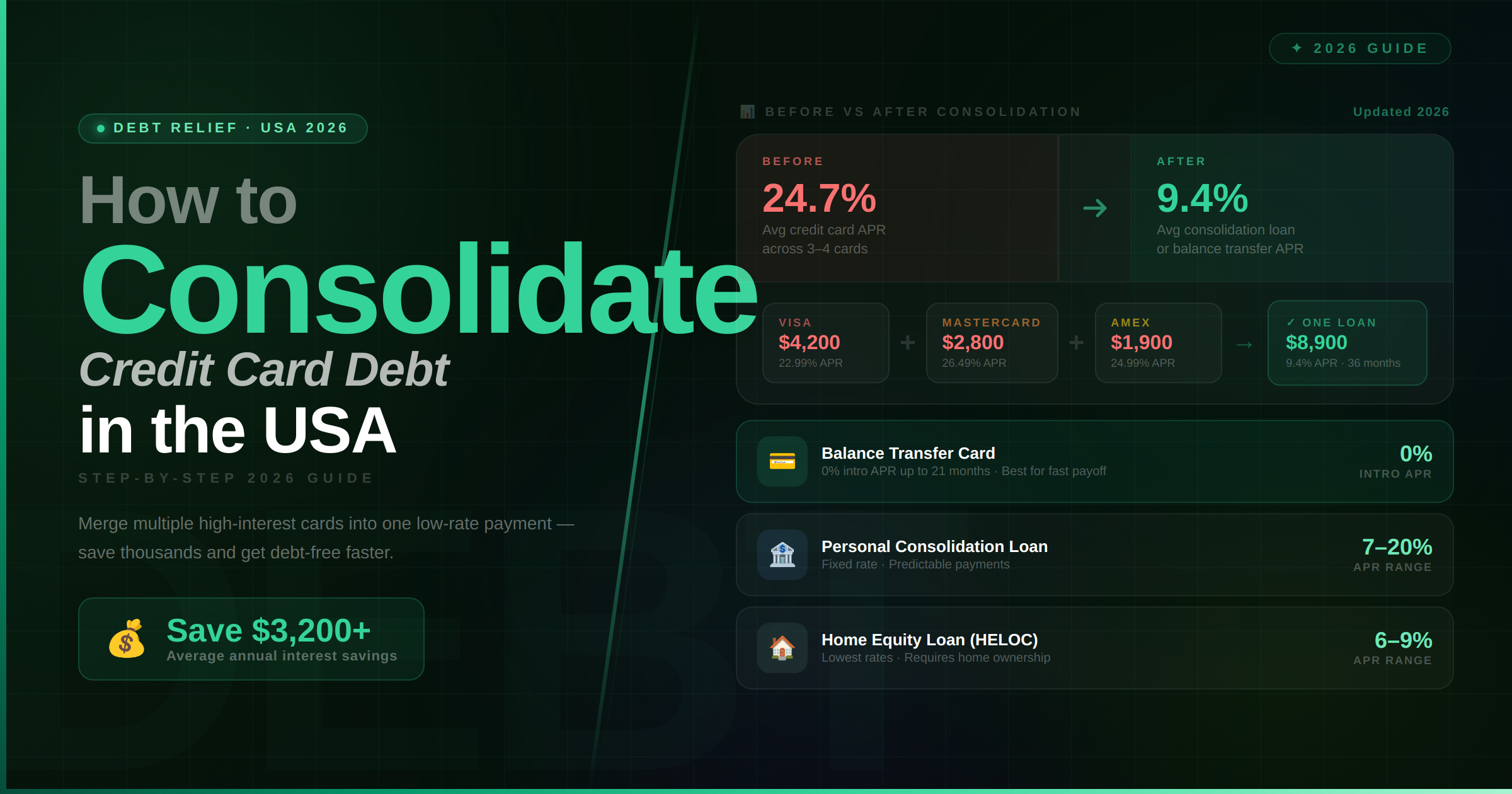
The objective of managing financial obligation in 2026 needs to be the total elimination of high-interest consumer liabilities. While the process needs discipline and a structured plan, the results are quantifiable. Lowering rates of interest from 25 percent to under 10 percent through a negotiated program can conserve a household thousands of dollars over a few short years. Avoiding the mistakes of minimum payments and high-fee loans permits citizens in any region to move toward a more protected financial future without the weight of unmanageable interest costs.
By focusing on verified, not-for-profit resources, consumers can browse the economic obstacles of 2026 with confidence. Whether through pre-discharge debtor education or standard credit therapy, the goal remains the exact same: a sustainable and debt-free life. Taking action early in the year guarantees that interest charges do not continue to compound, making the eventual goal of debt freedom much easier to reach.

Latest Posts

Recognizing the Signs of a Debt Trap Early
How Sioux City Iowa Debt Management Individuals Master Their Money Mindset
The Best Ways to Repair Work Credit in Your State